


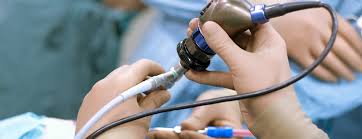
For decades, addressing internal structural complications within the digestive tract—such as bleeding ulcers, abnormal polyps, or narrowed intestinal passages—required invasive surgical procedures involving large incisions and prolonged hospital stays. Today, the field of gastroenterology has undergone a remarkable transformation through therapeutic endoscopy. Advanced GI endoscopic intervention treatment in South Extension enables clinical specialists to treat complex gastrointestinal conditions directly through natural body openings without external cuts. This modern therapeutic approach provides safe, highly targeted solutions that significantly minimize physical trauma, reduce infection risks, and accelerate overall patient recovery.
Therapeutic endoscopy goes far beyond basic visual diagnosis by providing active clinical treatments inside the digestive tract:
Interventional endoscopic procedures offer reliable, minimally invasive alternatives for a wide variety of serious gastrointestinal emergencies and chronic conditions:
Emergency management of acute gastrointestinal bleeding caused by peptic ulcers or ruptured esophageal varices.
Safe, complete removal of precancerous polyps located throughout the stomach and colon.
Gentle balloon dilation of benign strictures that cause painful swallowing or intestinal narrowing.
Precision placement of expandable metal stents to bypass blockages in the esophagus, bile ducts, or bowel.
Choosing modern therapeutic procedures over conventional open surgery offers substantial physiological and practical advantages for patients of all ages:
Complete absence of external surgical incisions, eliminating abdominal scarring and abdominal wall pain.
Drastically reduced risk of secondary hospital-acquired infections and surgical wound complications.
Significantly shorter hospital stays, with many advanced therapeutic interventions completed on a day-care basis.
Rapid return to regular dietary intake, personal mobility, and everyday professional routines.
Performing advanced therapeutic procedures requires specialized medical instrumentation, ultra-high-definition optical platforms, and skilled clinical expertise. During a GI endoscopic intervention treatment in South Extension, clinicians utilize specialized endoscopic tools—including high-frequency electrosurgical snares, micro-clips, and laser coagulators—to perform delicate microsurgery inside the gut. Real-time fluoroscopic imaging and endoscopic ultrasound provide detailed cross-sectional views through intestinal walls, ensuring that therapeutic maneuvers remain millimeter-precise while preserving healthy surrounding tissues.
Undergoing an advanced therapeutic procedure is a vital step toward resolving acute gastrointestinal disorders, but achieving lasting wellness requires careful post-procedure care. Seeking an experienced provider for GI endoscopic intervention treatment in South Extension ensures that you receive continuous follow-up care, structured dietary guidance, and routine surveillance screenings. By combining cutting-edge medical technology with attentive clinical monitoring, interventional endoscopy restores healthy organ function, preserves your physical well-being, and provides lasting relief without the burdens of traditional surgery.
What is the difference between a diagnostic endoscopy and an interventional endoscopy?
A diagnostic endoscopy is performed solely to inspect tissue linings and collect small biopsies, whereas an interventional endoscopy actively treats medical conditions by removing growths, controlling bleeding, or opening narrowed passageways.
How soon can a patient resume normal eating after an endoscopic intervention?
Depending on the specific procedure performed, such as polyp removal or stricture dilation, patients often start on clear fluids within a few hours and transition back to soft or normal foods within twenty-four to forty-eight hours under medical guidance.
Is therapeutic endoscopy safe for elderly patients with chronic health conditions?
Yes. Because interventional endoscopy avoids general surgical stress, external incisions, and prolonged anesthesia, it is often the preferred, safest therapeutic option for elderly patients who carry high risks for traditional open surgery.


