


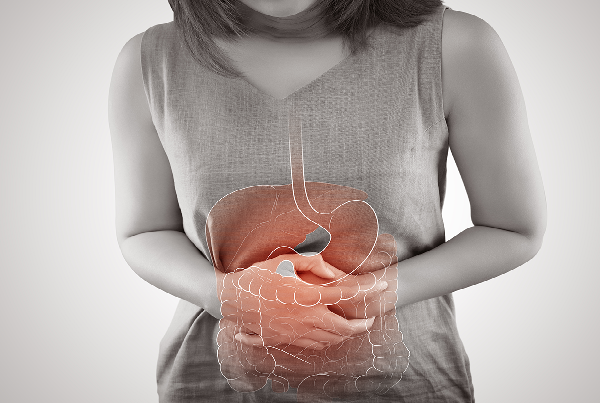
People with irritable bowel syndrome (IBS) often notice that certain meals are followed by bloating, abdominal pain, gas, diarrhoea, or constipation. However, identifying the reason for these symptoms can be difficult. A food that causes discomfort for one person may be well tolerated by another, and the same meal may produce different effects on different days.
IBS is a digestive condition associated with changes in bowel habits and abdominal discomfort. Food can influence symptoms, but it is not the only factor involved. Stress, sleep, meal size, intestinal sensitivity, and daily routines may also contribute.
Rather than eliminating many foods at once, a more useful starting point is to observe eating patterns and symptoms carefully. This can help identify possible triggers while maintaining a varied and balanced diet.
Some carbohydrates are not completely absorbed in the small intestine. When they reach the large intestine, bacteria ferment them, producing gas. They may also draw water into the bowel. In people with sensitive intestines, these effects can contribute to bloating, discomfort, or changes in stool consistency.
Foods containing certain fermentable carbohydrates, commonly grouped under the term FODMAPs, may trigger symptoms in some people with IBS. Examples include particular fruits, some dairy products, wheat-based foods, onions, garlic, and legumes. The effect depends on the food, the quantity eaten, and individual tolerance.
This does not mean these foods are unhealthy or that everyone with IBS should avoid them. Many provide important nutrients, including fibre, vitamins, and minerals. The aim is to understand personal tolerance rather than create unnecessary restrictions.
Symptoms may be influenced by how much a person eats as well as what they eat. Large meals can stretch the stomach and stimulate intestinal activity, which may contribute to discomfort or urgency in some individuals.
Eating quickly may also increase swallowed air, adding to gas and bloating. Long gaps between meals followed by heavy eating can make symptom patterns harder to interpret.
Some people find it helpful to eat at reasonably regular times, slow down during meals, and adjust portion sizes. These changes are not a universal solution, but they can make it easier to observe how the digestive system responds.
Caffeine, alcohol, rich foods, and very spicy meals may also affect symptoms in some individuals. Their effects vary, so it is more useful to observe personal responses than to assume that every item must be avoided.
A diary helps connect eating patterns with digestive symptoms over time. It should be simple enough to maintain consistently without making meals a source of anxiety.
Record the following details:
Foods and drinks consumed, including approximate portions
Time of each meal or snack
When symptoms begin and how long they last
Type of symptom, such as gas, cramping, constipation, or diarrhoea
Sleep quality, stress, and unusual changes in routine
The timing matters because digestive symptoms do not always appear immediately after eating. A symptom recorded after a meal may be related to an earlier meal, a change in bowel activity, or another factor entirely.
Keeping records for a couple of weeks may reveal useful patterns. However, a diary provides clues rather than proof. Repeated observations are generally more informative than a single episode of discomfort.
Fibre supports bowel function, but different types can have different effects. Soluble fibre, found in foods such as oats and some fruits, may help certain people manage constipation and stool consistency. Increasing fibre too quickly, particularly some coarse or insoluble sources, can worsen gas and bloating in others.
Gradual changes are usually easier to assess than sudden increases. A person should also consider their overall diet rather than focusing on a single food.
Adequate fluid intake supports normal bowel function, especially when dietary fibre is increased. Individual fluid needs vary according to activity, climate, and medical circumstances.
Persistent constipation or diarrhoea should not be managed through dietary changes alone without considering other possible causes.
A low-FODMAP diet is sometimes used to help manage IBS symptoms. It generally involves temporarily reducing selected fermentable carbohydrates, then gradually reintroducing foods to identify individual tolerance.
This approach is not intended to be a permanent, highly restrictive diet. Long-term avoidance of many foods may reduce dietary variety and make it harder to meet nutritional needs.
Because the process can be complicated, guidance from a qualified dietitian or healthcare professional familiar with IBS can be helpful. It may not be appropriate for everyone, particularly those with existing nutritional concerns or a history of disordered eating.
When symptoms occur after eating, it can be tempting to remove multiple food groups immediately. This may make the diet less balanced and create uncertainty about which change, if any, helped.
A gradual approach is often more informative. Focus on one suspected trigger at a time, where appropriate, and compare symptoms across several occasions. If symptoms continue despite reasonable adjustments, the underlying problem may need further assessment.
People considering IBS treatment in Panchsheel Enclave can bring a food and symptom diary to their medical appointment. It can help the clinician understand the timing, frequency, and nature of symptoms before recommending individual management options.
IBS can resemble other digestive disorders, including coeliac disease, inflammatory bowel disease, food intolerances, and certain infections. A clinician may consider the person's history and symptoms before deciding whether tests are appropriate.
Seek medical assessment for persistent or changing symptoms, particularly if they occur with blood in the stool, unexplained weight loss, fever, anaemia, or a family history of significant gastrointestinal disease. Severe or sudden abdominal pain needs urgent assessment.
A balanced approach combines careful observation, appropriate nutrition, and medical guidance when needed. The objective is to improve daily comfort without allowing fear of food to unnecessarily limit everyday life.
1. Should everyone with IBS follow a low-FODMAP diet?
No. It is one possible dietary strategy, not a requirement for everyone. A professional can help decide whether it is suitable and how to avoid unnecessary restrictions.
2. How long should a food diary be maintained?
A couple of weeks may provide useful initial information. The appropriate duration depends on symptom frequency and whether the records reveal clear patterns.
3. Can healthy foods trigger IBS symptoms?
Yes. Some nutritious foods contain carbohydrates or fibre that may cause symptoms in sensitive individuals. This does not make the foods unhealthy or unsuitable for everyone.
4. Is food always responsible for an IBS flare-up?
No. Stress, sleep, routine changes, and gut sensitivity can also influence symptoms. Sometimes a clear trigger cannot be identified.
| Tags: | #IBS treatment in Friends Colony, # IBS treatment in Chanakyapuri, # IBS treatment in New Delhi, # IBS treatment in South Delhi |


