


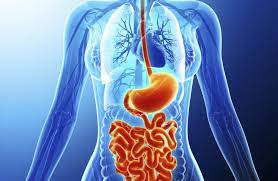
Many people become confused when they continue experiencing digestive discomfort despite normal blood tests, scans, or endoscopy reports. They may wonder why bloating, abdominal discomfort, irregular bowel movements, or a feeling of incomplete digestion continues even though no visible disease has been found.
Functional gastrointestinal (GI) disorders are different from conditions that damage the digestive tract. Instead of affecting the structure of the digestive organs, they influence how the digestive system functions. The muscles, nerves, and communication pathways that regulate digestion may not work in complete harmony, leading to symptoms that are very real despite normal investigation results.
Understanding this difference helps patients move beyond frustration and towards appropriate long-term management.
The digestive system has a complex network of nerves that communicates with the brain throughout the day. This connection helps regulate digestion, bowel movements, and the movement of food through the digestive tract.
Normally, these signals remain balanced and coordinated. However, if this communication becomes disrupted, the digestive system may respond differently even when the digestive organs themselves appear healthy.
This interaction is often referred to as the gut-brain connection, and it plays an important role in several functional GI disorders.
People often expect every digestive problem to have a visible cause that appears on an investigation. Functional GI disorders work differently.
In these conditions:
The digestive tract may appear structurally normal.
Muscle movement may become less coordinated.
The digestive system may become more sensitive to normal activity.
Everyday digestive processes may trigger discomfort.
This explains why symptoms should never be dismissed simply because routine reports appear normal.
The digestive system continuously responds to changes inside and outside the body.
Several everyday factors can influence digestive function, including:
Irregular eating schedules.
Emotional stress.
Poor sleep quality.
Sudden changes in routine.
Travel.
Certain dietary habits.
These factors do not affect everyone in the same way, which is why symptom patterns often differ from one person to another.
Functional GI disorders rarely follow a fixed pattern. Some people notice symptoms after specific meals, while others experience digestive discomfort during stressful periods or changes in routine.
Rather than focusing on a single trigger, doctors often evaluate:
When symptoms begin.
How frequently they occur.
Activities associated with flare-ups.
Daily habits.
Previous medical history.
Understanding these recurring patterns helps create a management plan that reflects the patient's real-life experiences.
Unlike structural digestive diseases, functional GI disorders are managed by improving the way the digestive system works.
Treatment may focus on:
Supporting normal digestive movement.
Reducing digestive sensitivity.
Identifying lifestyle factors that influence symptoms.
Making suitable dietary adjustments.
Reviewing progress over time.
This approach aims to improve everyday comfort while helping patients manage recurring digestive concerns more effectively.
Managing functional digestive disorders often involves gradual progress rather than immediate results. Consistency with medical advice, lifestyle adjustments, and follow-up allows many people to notice meaningful improvements in their daily routine.
Recognising positive changes over time helps patients remain engaged with their treatment plan and better understand how their digestive system responds.
Functional GI disorders are centred on how the digestive system performs rather than how it appears during investigations. Identifying changes in digestive function allows treatment to focus on improving comfort, restoring balance, and supporting long-term digestive well-being.
Patients searching for the Best Functional GI Disorders Treatment in New Delhi can consult Nagpal Advanced Gastro Care, where management plans are developed according to individual symptom patterns, lifestyle factors, and overall digestive health.
These are conditions that affect the normal functioning of the digestive system without causing visible structural abnormalities.
Yes. Emotional stress may influence the gut-brain connection and contribute to symptom flare-ups in some individuals.
Functional GI disorders affect digestive function rather than the structure of the digestive organs, so routine investigations may not always reveal abnormalities.
Living with recurring digestive symptoms can be frustrating, especially when they interfere with everyday activities despite normal investigation reports. A personalised medical approach helps patients understand their condition, recognise symptom patterns, and develop practical strategies for long-term management. Individuals seeking the Best Functional GI Disorders Treatment in New Delhi can consult Nagpal Advanced Gastro Care for comprehensive care tailored to their digestive concerns and individual health goals.


