
Call Us Now
+91********09Enquiry Us
**********gmail.com
Call Us Now
+91********09Enquiry Us
**********gmail.com

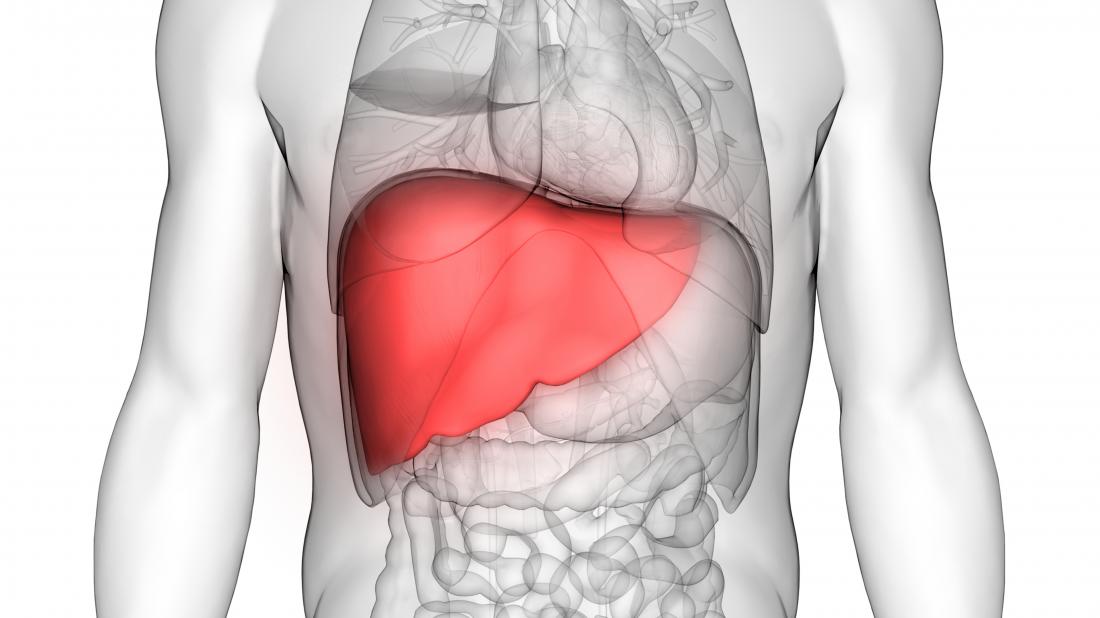
A liver transplant can mark the beginning of a new chapter for individuals living with advanced liver disease. While the surgery is a significant milestone, recovery does not end after discharge from the hospital. The weeks, months, and years that follow require regular medical supervision, healthy lifestyle choices, and careful attention to prescribed treatment.
Post-transplant care is designed to help the transplanted liver function well, reduce the risk of complications, and support patients as they gradually return to their daily routines. Consistent follow-up allows healthcare teams to identify concerns early and guide patients through every stage of recovery.
After a liver transplant, doctors continue monitoring the patient's overall health as well as the functioning of the transplanted liver.
Routine follow-up appointments may include:
These reviews help ensure that any changes in health are recognised promptly.
Immunosuppressive medicines are an essential part of post-transplant care because they help prevent the body's immune system from rejecting the transplanted liver.
Patients should:
Following the prescribed treatment plan is important for long-term transplant success.
Food choices become an important part of recovery after liver transplantation. A balanced diet helps maintain overall health while supporting healing.
General dietary recommendations may include:
Dietary advice may vary according to individual health conditions.
Because immunosuppressive medicines lower the body's immune response, transplant recipients need to take additional precautions.
Simple preventive measures include:
Awareness and prevention play an important role in maintaining health after transplantation.
Recovery progresses at a different pace for every individual. Many patients gradually resume work, exercise, travel, and other routine activities after receiving medical clearance.
Doctors usually guide patients regarding:
Following professional advice allows patients to increase activity safely.
Adjusting to life after a liver transplant can involve emotional changes as well as physical recovery. Some individuals may feel anxious about follow-up appointments, medications, or returning to everyday responsibilities.
Support from healthcare professionals, family members, and caregivers can help patients adapt to these changes with greater confidence.
Maintaining emotional well-being is an important part of overall recovery.
Successful recovery depends on more than surgery alone. Regular monitoring, medication management, nutritional guidance, and continued medical support all contribute to maintaining the health of the transplanted liver over time.
Patients looking for the Best Liver Transplant Care in Panchsheel Park can consult Nagpal Advanced Gastro Care for structured post-transplant follow-up, personalised medical supervision, and comprehensive long-term liver care.
Follow-up is a lifelong process. The frequency of appointments changes over time depending on the patient's recovery and overall health.
These medicines help reduce the risk of the body rejecting the transplanted liver and should be taken exactly as prescribed.
Many patients gradually resume their routine activities after medical clearance, although recovery timelines vary from person to person.
A liver transplant creates new possibilities for better health, but maintaining those benefits depends on consistent medical follow-up and healthy daily habits. Long-term care helps patients protect their transplanted liver and maintain a good quality of life. If you are searching for the Best Liver Transplant Care in Panchsheel Park, Nagpal Advanced Gastro Care offers dedicated post-transplant support with personalised follow-up, careful monitoring, and guidance tailored to each patient's recovery journey.
| Tags: | #Best Liver transplant Care in Chanakyapuri, # Best Liver transplant Care in Safdarjung, # Best Liver transplant Care in Defence Colony, # Best Liver transplant Care in RK Puram |


