


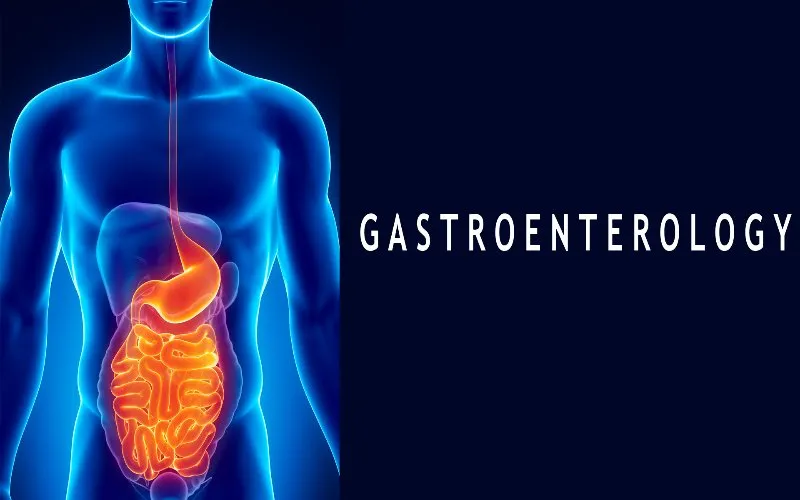
Many digestive conditions produce similar symptoms, making it difficult to identify the exact cause without proper medical evaluation. Indigestion, abdominal discomfort, bloating, nausea, altered bowel habits, or unexplained weight loss can be linked to different gastrointestinal disorders, each requiring a different treatment approach.
Starting treatment without understanding the underlying condition may only provide temporary relief. A structured diagnostic process helps doctors identify the actual problem before deciding the most appropriate course of management.
This is why the quality of evaluation often influences the quality of treatment.
Digestive symptoms can overlap between several medical conditions. For example, persistent bloating may be associated with dietary intolerance, functional bowel disorders, intestinal inflammation, or other gastrointestinal diseases.
Instead of assuming the cause, gastroenterologists usually evaluate several factors, including:
Every detail contributes to building a clearer clinical picture.
A common misconception is that every digestive complaint requires extensive testing. In reality, investigations are selected according to the patient's condition.
Depending on clinical findings, assessment may include:
These help evaluate infection, inflammation, nutritional deficiencies, liver function, and other health indicators.
Ultrasound or other imaging methods may be recommended to examine abdominal organs.
When required, procedures such as upper gastrointestinal endoscopy or colonoscopy allow direct examination of the digestive tract.
The choice of investigation depends on medical necessity rather than a fixed protocol.
A diagnosis becomes more reliable when clinical examination and investigation findings are interpreted together.
Doctors consider:
This combined assessment helps avoid unnecessary assumptions and supports informed treatment planning.
Two patients with similar complaints may receive different diagnoses because digestive disorders can develop for different reasons.
Personalised evaluation helps determine:
This individual approach supports more effective medical decision-making.
A detailed consultation also gives patients the opportunity to understand their condition better.
During discussions, patients can learn about:
Clear communication allows patients to participate more confidently in their healthcare decisions.
An effective gastroenterology centre is not defined only by medical procedures but also by the quality of its diagnostic approach. Careful evaluation, appropriate investigations, and well-informed treatment planning work together to support better digestive healthcare.
People searching for the Best Gastroenterology Centre in Sarojini Nagar can consult Nagpal Advanced Gastro Care, where every patient is assessed through a systematic approach that prioritises accurate diagnosis and personalised digestive care.
Different digestive conditions can produce similar symptoms. Identifying the exact cause helps doctors recommend the most suitable treatment.
No. Endoscopy is recommended only when a patient's symptoms, examination, or medical history indicate that it is necessary.
The timeline varies depending on the condition and whether additional investigations are required.
Successful digestive care starts with identifying the actual cause rather than treating symptoms alone. A careful diagnostic process allows treatment decisions to be based on medical evidence and each patient's individual needs.
Patients searching for the Best Gastroenterology Centre in Sarojini Nagar can consult Nagpal Advanced Gastro Care, where careful clinical assessment, appropriate investigations, and personalised treatment planning support comprehensive digestive healthcare.
| Tags: | #Best Gastroenterology centre in Chanakyapuri, # Best Gastroenterology centre in Safdarjung, # Best Gastroenterology centre in Defence Colony, # Best Gastroenterology centre in RK Puram |


