


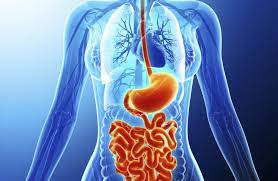
A patient came to our clinic feeling frustrated and exhausted. For nearly two years, she had been dealing with bloating, stomach discomfort, and irregular bowel habits. She had undergone multiple tests, and every report came back normal.
Her biggest question was simple:
"If my reports are normal, why do I still feel sick?"
At Nagpal Advanced Gastro Care, this is a conversation we have quite often. Many patients suffer from functional gastrointestinal (GI) disorders—conditions that cause real symptoms even when standard tests don't reveal structural damage.
If you're looking for the Best Functional GI Disorders Treatment in Defence Colony, understanding these conditions can help you stop chasing temporary solutions and start finding long-term relief.
One of the most confusing aspects of functional GI disorders is that patients often appear healthy on routine investigations.
Yet the symptoms can significantly affect daily life.
These conditions involve problems with how the digestive system functions rather than visible damage to digestive organs.
That doesn't make the symptoms any less real.
You may benefit from specialist evaluation if you experience:
Persistent bloating
Frequent abdominal discomfort
Irritable bowel symptoms
Constipation
Diarrhea
Excessive gas
Early fullness after meals
Nausea
Indigestion
Changes in bowel habits
These symptoms often come and go but can become chronic if not managed properly.
Here's a perspective that surprises many people.
Being told "everything is normal" does not always mean nothing is wrong.
Many patients assume normal test results mean they should simply learn to live with their symptoms.
That's a mistake.
Functional GI disorders are recognized medical conditions that require proper diagnosis and treatment strategies.
Ignoring symptoms rarely improves them.
Understanding the condition often does.
A young professional visited our centre because of persistent bloating and irregular bowel movements.
Several tests had already ruled out major digestive diseases.
She felt discouraged because every report appeared normal, yet her symptoms continued.
After a detailed evaluation, we identified a functional gastrointestinal disorder and created a personalized treatment plan involving dietary guidance, symptom management, and lifestyle adjustments.
Over time, her symptoms became significantly more manageable, allowing her to return to a more comfortable routine.
Functional GI disorders affect how the digestive system works.
The digestive tract may appear normal structurally, but communication between the brain and gut becomes disrupted.
These include:
Irritable Bowel Syndrome (IBS)
Functional Dyspepsia
Functional Constipation
Functional Diarrhea
Functional Bloating
Functional Abdominal Pain
Each condition can affect patients differently, which is why individualized treatment is important.
Healthcare experts have observed a growing number of functional digestive disorders worldwide.
According to recent healthcare trends from 2024, stress, anxiety, dietary habits, irregular eating schedules, poor sleep quality, and sedentary lifestyles continue to contribute to digestive health concerns.
As awareness increases, more people are seeking specialist care instead of assuming symptoms are purely psychological or unavoidable.
This shift is helping many patients find effective treatment options sooner.
Your digestive system and brain are constantly communicating.
When this communication becomes disrupted, digestive symptoms can appear even when the digestive organs themselves look healthy.
Common triggers include:
Stress
Anxiety
Sleep disturbances
Certain foods
Irregular meal timings
Previous digestive infections
Lifestyle changes
This doesn't mean symptoms are "all in your head."
It means the digestive system is responding to multiple factors simultaneously.
Diagnosis involves more than simply reviewing test results.
Medical history review
Symptom analysis
Physical examination
Endoscopy when needed
Colonoscopy when indicated
Laboratory investigations
Exclusion of structural digestive diseases
The goal is to understand both the symptoms and the factors contributing to them.
There is no one-size-fits-all treatment plan for functional GI disorders.
Dietary modifications
Symptom-specific medications
Lifestyle changes
Stress management strategies
Gut health optimization
Long-term monitoring
The most effective treatment plans address both digestive symptoms and underlying triggers.
Many patients spend years trying different diets and internet remedies without understanding their condition.
Over time, symptoms may become more disruptive and affect:
Work productivity
Sleep quality
Social activities
Confidence around eating
Overall quality of life
Early intervention often leads to better symptom control and improved daily functioning.
Consider consulting a gastroenterologist if symptoms:
Persist for several weeks
Frequently return
Affect daily life
Continue despite lifestyle changes
Cause significant discomfort
Professional evaluation helps rule out serious conditions and identify the most appropriate treatment path.
The right specialist should focus on more than symptom control.
Look for:
Extensive gastroenterology experience
Comprehensive digestive evaluations
Personalized treatment planning
Patient education and support
Long-term symptom management
Advanced diagnostic capabilities
At Nagpal Advanced Gastro Care, we work closely with patients to understand the complete picture behind their symptoms and develop individualized care plans.
IBS is often a long-term condition, but many patients successfully manage symptoms with the right treatment and lifestyle strategies.
They are generally not life-threatening, but they can significantly affect quality of life if left unmanaged.
Yes. The brain and digestive system are closely connected, and stress can play an important role in triggering or worsening digestive symptoms.
Living with ongoing bloating, abdominal discomfort, constipation, diarrhea, or IBS symptoms can be frustrating, especially when tests appear normal. If you're searching for the Best Functional GI Disorders Treatment in Defence Colony, expert evaluation can help identify the factors contributing to your symptoms and create a personalized path toward relief. At Nagpal Advanced Gastro Care, we're committed to helping patients understand their condition, regain confidence, and achieve better digestive health through comprehensive, patient-focused care.


