
Call Us Now
+91********09Enquiry Us
**********gmail.com
Call Us Now
+91********09Enquiry Us
**********gmail.com

A patient recently walked into our clinic after struggling with severe acidity for nearly a year. He had tried changing his diet, avoiding tea and coffee, and taking medications whenever symptoms became uncomfortable. While the symptoms improved temporarily, they always came back.
Eventually, his doctor recommended an endoscopy.
His first reaction was the same as many patients: "Is it really necessary?"
At Nagpal Advanced Gastro Care, we hear this question almost every day. Many people feel nervous when they hear the word endoscopy, often imagining a painful or complicated procedure. The reality is very different.
If you're searching for the Best Endoscopy Specialist in Lajpat Nagar, understanding when and why an endoscopy is recommended can help you make informed decisions about your digestive health.
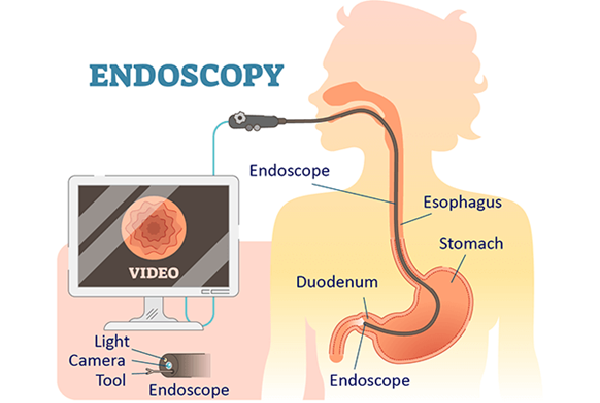
An endoscopy is a procedure that allows a gastroenterologist to examine the inside of your digestive tract using a thin, flexible tube equipped with a camera.
The procedure helps specialists see problems that cannot be detected through symptoms alone.
It provides a clearer picture of what's happening inside the esophagus, stomach, and upper digestive system.
An endoscopy may help identify:
Acid reflux disease (GERD)
Gastritis
Stomach ulcers
Esophageal inflammation
Swallowing disorders
Digestive bleeding
Polyps
Early gastrointestinal cancers
Persistent stomach pain
The procedure often provides answers when other tests cannot.
Let's clear up one common misconception.
Many people believe an endoscopy should only be performed when symptoms become severe.
That's not always true.
In fact, one of the main advantages of endoscopy is early detection.
We've seen patients who delayed testing because they felt their symptoms weren't serious enough. Later, investigations revealed conditions that could have been diagnosed much earlier.
Sometimes the goal isn't to confirm a serious disease.
It's to rule one out.
A patient visited us because of recurring heartburn and difficulty swallowing.
For months, he assumed stress and eating habits were responsible.
After an endoscopy, we identified inflammation in the food pipe that required targeted treatment. Once the appropriate therapy began, his symptoms improved significantly.
The experience reinforced an important lesson: symptoms tell part of the story, but direct visualization often tells the whole story.
Digestive disorders continue to rise worldwide.
Healthcare reports from 2024 indicate increasing rates of acid reflux, gastritis, peptic ulcers, and other gastrointestinal disorders due to lifestyle changes, dietary habits, stress, and obesity.
As a result, specialists are increasingly using endoscopy to diagnose conditions earlier and more accurately.
This shift allows patients to receive treatment before complications develop.
Not everyone with stomach discomfort requires an endoscopy.
However, certain symptoms should prompt a specialist consultation.
These include:
Persistent acidity
Frequent heartburn
Difficulty swallowing
Chronic nausea
Vomiting
Blood in vomit
Black stools
Unexplained weight loss
Ongoing stomach pain
Long-term digestive symptoms
A gastroenterologist can determine whether endoscopy is appropriate based on your symptoms and medical history.
This is probably the most searched question about the procedure.
The answer surprises many patients.
Modern endoscopy procedures are generally:
Quick
Safe
Minimally uncomfortable
Performed under sedation when appropriate
Completed on an outpatient basis
Most patients remember very little about the procedure and are able to return home the same day.
Many people don't realize that endoscopy can also help treat certain conditions.
Depending on the situation, specialists may:
Remove small polyps
Control bleeding
Take tissue samples (biopsies)
Remove foreign objects
Assess suspicious growths
This ability to diagnose and treat during the same procedure is one reason endoscopy is such a valuable tool.
Some patients postpone recommended testing because symptoms seem manageable.
Unfortunately, certain digestive conditions worsen gradually.
Problems such as ulcers, severe inflammation, Barrett's esophagus, and gastrointestinal cancers often benefit from early detection.
You may need earlier evaluation if your family has a history of:
Stomach cancer
Colon cancer
Esophageal cancer
Digestive disorders
Preventive investigations can often identify concerns before they become serious.
Choosing the right specialist is important for both accuracy and comfort.
Look for:
Extensive gastroenterology experience
Advanced endoscopy expertise
Modern diagnostic facilities
Patient-centered care
Comprehensive digestive evaluations
Personalized treatment planning
At Nagpal Advanced Gastro Care, we focus on helping patients understand their symptoms, receive accurate diagnoses, and feel comfortable throughout the evaluation process.
Most upper GI endoscopy procedures are completed within 15–30 minutes, although preparation and recovery may take additional time.
Not necessarily. Endoscopy is commonly recommended to investigate symptoms and provide accurate diagnoses, even when serious disease is not suspected.
Yes. Endoscopy can help identify abnormal tissues, early cancers, and precancerous changes within the digestive tract.
Digestive symptoms should never leave you guessing. If you're experiencing persistent acidity, swallowing difficulties, stomach pain, unexplained weight loss, or other ongoing digestive concerns, professional evaluation can provide clarity and peace of mind. If you're searching for the Best Endoscopy Specialist in Lajpat Nagar, expert care can help identify the root cause of your symptoms and guide you toward the right treatment. At Nagpal Advanced Gastro Care, we're committed to delivering accurate diagnoses, advanced endoscopic care, and personalized support for every patient.
| Tags: | #Best Endoscopy Specialist in Chanakyapuri, # Best Endoscopy Specialist in Safdarjung, # Best Endoscopy Specialist in Defence Colony, # Best Endoscopy Specialist in RK Puram |


