


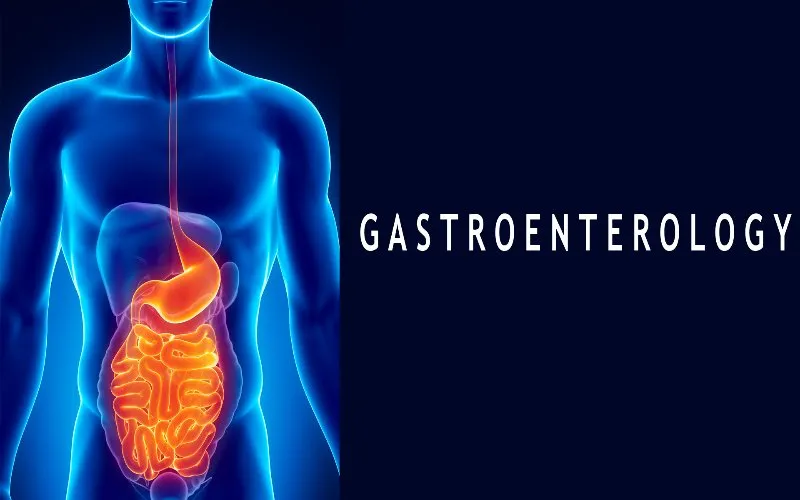
Functional gastrointestinal disorders are conditions where the digestive system appears normal in structure but does not function as it should, leading to recurring symptoms that affect daily life. Common issues include functional dyspepsia, irritable bowel patterns, chronic bloating, unexplained nausea, and irregular bowel habits that have no visible cause on routine tests. These disorders often arise due to stress, dietary triggers, hormonal influence, gut–brain interaction imbalances, or heightened sensitivity of the digestive tract. Proper evaluation helps identify patterns, triggers, and contributing factors that influence the symptoms. Specialised treatment offers several benefits such as personalised dietary planning, improved bowel regulation, stress-management techniques, and targeted medications aimed at reducing discomfort. Depending on the condition, individuals may experience relief within a few weeks, though long-term stabilisation often requires structured follow-ups and adjustments in lifestyle or treatment. With consistent care, many patients regain digestive balance, reduced symptom frequency, and improved overall comfort in their daily routine.
To manage these disorders effectively, many individuals prefer centres that provide focused gastro care supported by advanced diagnostics and specialist guidance. An instance of such thorough and patient-focused care can be seen at Nagpal Advanced Gastro Care under the expertise of Dr. Nishant Nagpal, where patients often undergo detailed assessments, structured treatment plans, and personalised therapy designed to address their specific functional GI concerns. This instance highlights an approach that emphasises accurate identification of triggers, continuous monitoring, and treatment adjustments that help reduce discomfort and improve long-term gut functioning. Regular follow-ups, lifestyle counselling, and medication guidance allow individuals to steadily regain digestive comfort and stability. With expert supervision and supportive care, patients experience enhanced symptom control, better gut–brain coordination, and greater confidence in managing their condition with improved daily well-being.


