


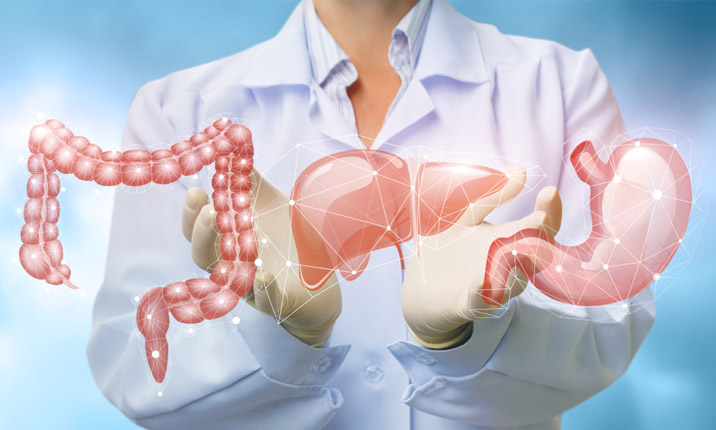
Functional gastrointestinal disorders are conditions where the digestive system appears structurally normal but does not function properly, leading to symptoms that often disrupt daily routines. These disorders include issues such as functional dyspepsia, irritable bowel patterns, chronic bloating, unexplained nausea, and altered bowel habits without visible abnormalities in scans or tests. The causes are usually linked to stress, gut–brain interaction imbalances, dietary triggers, hormonal changes, and heightened sensitivity of the digestive tract. Proper treatment helps reduce discomfort, improves digestive movement, and provides long-term symptom control. Benefits of specialised care include personalised diet planning, symptom pattern analysis, targeted medications, stress-management guidance, and preventive strategies to reduce recurrence. People often begin experiencing relief within a few weeks, although complete stabilisation may take several months depending on lifestyle, response to treatment, and severity of symptoms. With consistent follow-up, patients learn how to manage triggers, maintain gut health, and restore a balanced routine without frequent disruptions.
Many individuals prefer approaching advanced gastro care centres for functional GI disorders because these conditions require careful observation and tailored management rather than generalised treatment. An instance of such focused evaluation can be seen at Nagpal Advanced Gastro Care under the expertise of Dr. Nishant Nagpal, where patients often undergo detailed diagnostic reviews, gut function assessments, and structured treatment plans based on their symptoms and medical history. This instance reflects how a comprehensive approach—combining dietary counselling, medication adjustments, lifestyle modifications, and regular monitoring—helps patients gradually regain digestive comfort and better control over their condition. Consistent consultations allow specialists to track improvements, identify ongoing triggers, and refine the management plan to ensure sustainable progress. Over time, with guided care and supportive interventions, patients typically experience improved gut functioning, reduced anxiety related to symptoms, and a smoother, more stable daily routine that enhances overall well-being.


