


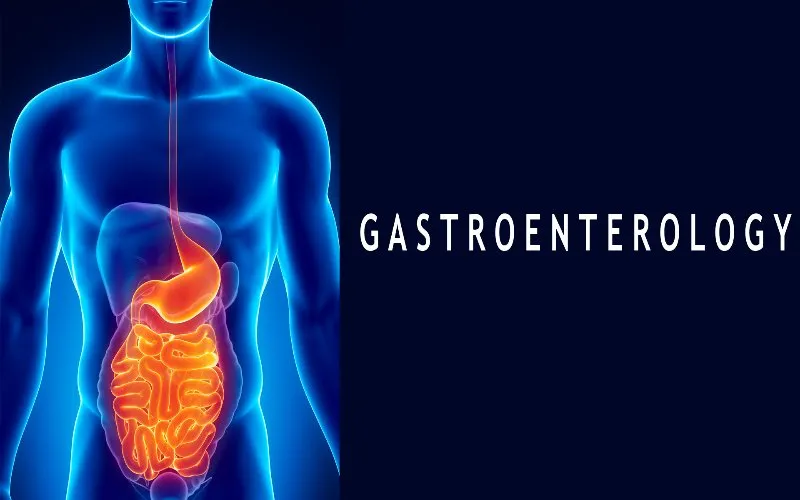
Digestive health is influenced by several organs working together, including the oesophagus, stomach, intestines, liver, pancreas, and gallbladder. A concern affecting one part of the digestive system may also influence another, which is why gastroenterology often requires a comprehensive approach rather than focusing on a single symptom or diagnosis.
For many patients, effective treatment is not limited to prescribing medication. It involves understanding medical history, evaluating associated health conditions, monitoring progress, and adapting treatment whenever required. A well-organised gastroenterology centre brings these aspects together to support better patient care.
The digestive system functions as one connected network. Because of this, symptoms may not always originate from the organ where discomfort is felt.
For example:
Looking at the digestive system as a whole helps doctors make more informed clinical decisions.
No two patients have exactly the same medical history, lifestyle, or digestive condition. Even when the diagnosis appears similar, treatment recommendations may differ depending on several factors.
A personalised treatment plan may consider:
This allows care to be tailored according to each patient's needs rather than following a standard approach.
Managing gastrointestinal disorders sometimes requires attention to more than one aspect of health.
This may include:
Certain digestive conditions benefit from dietary modifications that support treatment and recovery.
Medication plans may be adjusted according to symptom control and clinical progress.
Follow-up investigations may be required to monitor specific conditions over time.
Coordinating these elements helps create a more organised treatment pathway.
Maintaining complete medical records helps doctors compare previous investigations, monitor improvement, and identify changes more accurately.
Well-maintained records support:
This continuity becomes particularly valuable for patients requiring ongoing gastroenterology care.
Digestive healthcare often involves multiple stages, from initial consultation to diagnosis, treatment, review, and long-term monitoring where necessary.
Throughout this process, patients benefit from:
These factors contribute to a more organised healthcare experience.
A gastroenterology centre should support patients beyond individual consultations by offering a systematic approach to digestive health. Careful evaluation, personalised management, and continuity of care all contribute to better long-term outcomes.
People looking for the Best Gastroenterology Centre in Panchsheel Park can consult Nagpal Advanced Gastro Care, where digestive healthcare is planned around each patient's medical needs through comprehensive clinical assessment and personalised treatment strategies.
Digestive organs work together, so evaluating the entire gastrointestinal system can help doctors understand health concerns more accurately.
Yes. Medical history, overall health, investigation findings, and individual needs all influence treatment decisions.
They help doctors compare progress, review earlier investigations, and make informed decisions about future care.
Managing digestive disorders often requires careful coordination rather than isolated treatment. A structured approach that considers diagnosis, treatment, monitoring, and overall health helps patients receive care that is better suited to their individual needs. Nagpal Advanced Gastro Care welcomes patients seeking the Best Gastroenterology Centre in Panchsheel Park, combining clinical expertise with a comprehensive approach to digestive health management.
| Tags: | #Best Gastroenterology centre in Chanakyapuri, # Best Gastroenterology centre in Safdarjung, # Best Gastroenterology centre in Defence Colony, # Best Gastroenterology centre in RK Puram |


