
Call Us Now
+91********09Enquiry Us
**********gmail.com
Call Us Now
+91********09Enquiry Us
**********gmail.com

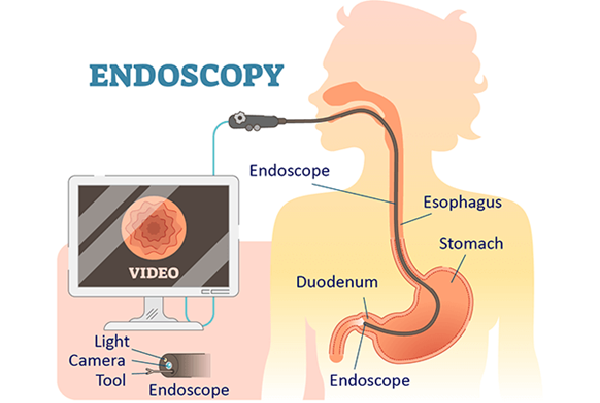
Digestive symptoms can sometimes point towards a specific condition, but there are situations where symptoms alone are not enough to reach a clear diagnosis. Persistent acidity, difficulty swallowing, unexplained abdominal pain, long-standing vomiting, gastrointestinal bleeding, or ongoing indigestion may require a closer examination of the digestive tract.
An upper gastrointestinal endoscopy allows doctors to directly examine the oesophagus, stomach, and the first part of the small intestine using a thin, flexible endoscope fitted with a camera. This detailed view helps identify abnormalities that may not be visible through routine examinations or imaging tests.
Rather than being a treatment for every digestive complaint, endoscopy is recommended only when clinical evaluation indicates that direct visual assessment will help in diagnosis or further management.
Many diagnostic tests provide indirect information about the digestive system. Blood tests measure body functions, while imaging studies produce pictures of internal organs.
Endoscopy is different because it allows doctors to:
This direct visual examination often provides valuable clinical information that supports accurate diagnosis.
Not every digestive symptom requires an endoscopy. The decision depends on medical history, physical examination, and previous investigation results.
Doctors may advise an endoscopy for:
Repeated heartburn or reflux symptoms that do not improve with treatment may require further evaluation.
An endoscopy helps examine the food pipe to identify narrowing, inflammation, or other structural changes.
When abdominal discomfort continues without a clear explanation, direct examination may help identify the underlying cause.
Endoscopy can assist in locating the source of bleeding within the upper digestive tract.
Patients usually receive specific instructions before the procedure to ensure that the examination can be performed safely and effectively.
Preparation commonly includes:
These steps help improve visibility during the examination and support patient safety.
The procedure is generally performed using a flexible endoscope that is carefully guided through the mouth into the upper digestive tract.
Throughout the examination, the medical team observes the digestive lining while assessing for any abnormalities.
If required, small tissue samples (biopsies) may be collected for laboratory analysis. Tissue collection is painless because the lining of the digestive tract does not contain pain receptors in the same way as the skin.
The procedure usually takes a short time, although the exact duration depends on individual findings.
Most patients are observed briefly after the procedure before returning home according to medical advice.
Doctors generally discuss:
Patients are also informed about symptoms that should be reported after the procedure.
Some patients feel anxious because they are unfamiliar with the procedure. Understanding what happens before, during, and after endoscopy often helps reduce unnecessary worry.
Modern endoscopy is performed using established medical protocols, and patients receive appropriate monitoring throughout the examination. The procedure is recommended only when its clinical benefits outweigh potential risks.
Discussing questions with the treating specialist before the examination helps patients feel more prepared.
An endoscopy not only requires specialised equipment but also careful clinical judgement regarding when the procedure is appropriate and how the findings should be interpreted.
Patients looking for the Best Endoscopy Specialist in Panchsheel Park can consult Nagpal Advanced Gastro Care, where endoscopic evaluation is guided by detailed clinical assessment, patient safety, and evidence-based digestive healthcare.
Most patients tolerate the procedure well. The medical team takes appropriate measures to keep patients comfortable throughout the examination.
Yes. If necessary, small tissue samples may be collected during the procedure for further laboratory evaluation.
Recovery varies depending on the individual and whether sedation was used. The treating doctor provides personalised instructions after the procedure.
An endoscopy allows doctors to gather detailed information about the upper digestive tract, helping them make informed clinical decisions based on direct visual findings rather than symptoms alone. This clarity supports a more precise approach to further evaluation and management. Patients looking for the Best Endoscopy Specialist in Panchsheel Park can consult Nagpal Advanced Gastro Care for thorough endoscopic assessment, clear medical guidance, and treatment planning based on their individual digestive health needs.
| Tags: | #Best Endoscopy specialist in Chanakyapuri, # Best Endoscopy specialist in Safdarjung, # Best Endoscopy specialist in Defence Colony, # Best Endoscopy specialist in RK Puram |


